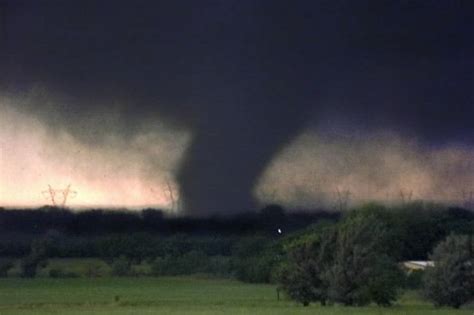
1999 Oklahoma Tornado: Devastation and Lasting LessonsOklahoma has always been known as a hotbed for severe weather, but even by its standards, the
1999 Oklahoma tornado outbreak
was an event of unparalleled intensity and destruction. On May 3, 1999, the state experienced one of the most violent and widespread tornado outbreaks in recorded history, a day that forever changed lives and significantly advanced our understanding of these powerful storms. We’re talking about a series of tornadoes that left an indelible mark, not just on the landscape, but on the very fabric of communities like Moore and Oklahoma City. For anyone interested in the raw power of nature and the incredible resilience of the human spirit, diving into the
facts about the 1999 Oklahoma tornadoes
is essential. This wasn’t just another bad weather day; it was a catastrophic event that, while tragic, also spurred significant advancements in meteorology, emergency preparedness, and public awareness. It’s a story of devastation, survival, and the persistent quest to better protect ourselves from nature’s fury. So, buckle up, guys, as we explore the harrowing details and profound lessons from this unforgettable day in Oklahoma’s history. We’ll delve into the science, the stories, and the enduring legacy that continues to shape how we face severe weather today. This event stands as a stark reminder of the unpredictable and immense power of tornadoes, and the critical importance of being prepared when they strike. This comprehensive look will provide all the crucial insights into what happened, why it was so unique, and what we’ve learned since.## The Devastating 1999 Oklahoma Tornado OutbreakLet’s start by digging into the sheer scale of the
1999 Oklahoma tornado outbreak facts
. On May 3, 1999, a massive weather system ignited across central Oklahoma and southern Kansas, producing an unprecedented barrage of severe thunderstorms. This wasn’t just a single storm; it was an entire symphony of destruction, orchestrated by incredibly volatile atmospheric conditions. Over the course of the day, more than 70 tornadoes touched down across the region, with the most destructive activity concentrated in Oklahoma.
Seriously, guys
, imagine that many tornadoes in one day! The National Weather Service issued numerous tornado warnings, often with precious little lead time due to the rapid intensification of these supercells. The conditions were ripe for long-track, violent tornadoes, characterized by extreme updrafts and powerful rotation. Meteorologists observed an unusual level of instability and shear, creating a perfect storm for these monstrous twisters to form and sustain their incredible power for extended periods. The outbreak began in the late afternoon and continued into the evening, with multiple tornadoes on the ground simultaneously at various points. This made tracking and warning efforts incredibly challenging, despite the best efforts of forecasters and emergency responders. The most infamous of these tornadoes was, of course, the Bridge Creek–Moore EF5, which we’ll cover in detail shortly, but it was just one of many that caused significant damage. Other communities across Oklahoma and Kansas also faced severe destruction, though not to the same degree as those in the path of the EF5. Homes, businesses, infrastructure – everything in the path of these tornadoes was either heavily damaged or completely obliterated. The sheer geographical spread of the damage was astonishing, impacting a wide swath of central Oklahoma. This widespread nature of the
1999 Oklahoma tornado outbreak
meant that resources were stretched thin, and countless individuals found themselves in immediate peril. The event underscored the critical need for advanced warning systems and robust community-level preparedness plans. The sheer number of tornadoes, their intensity, and the duration of the outbreak truly set May 3, 1999, apart as a historically significant weather event, providing a treasure trove of data for atmospheric scientists to study for years to come. The
facts
from this day are a sobering reminder of nature’s power and our ongoing quest to understand and mitigate its impacts. It really pushed the limits of what we thought was possible for a tornado outbreak. The atmospheric ingredients that converged on that day were truly extraordinary, leading to an environment conducive to the formation of multiple long-lived, violent tornadoes. From the early morning hours, meteorologists were eyeing the conditions with growing concern, but the full extent of the devastation that would unfold was almost unimaginable. This wasn’t just a localized event; it was a regional catastrophe that tested the limits of emergency services and community resilience across multiple counties. The sheer volume of incoming reports and the rapid evolution of the storm cells made it a truly dynamic and challenging forecasting scenario, forever etching the
1999 Oklahoma tornado facts
into the annals of meteorological history.## The Bridge Creek–Moore Tornado: A Monster EF5When we talk about the
1999 Oklahoma tornadoes
, one tornado stands head and shoulders above the rest in terms of its raw power and destructive potential: the
Bridge Creek–Moore tornado
. This was
the
tornado, guys, the one that broke records and truly terrified an entire region. It touched down in Grady County, near Bridge Creek, around 6:23 PM CDT on May 3rd and carved a brutal 38-mile path of devastation through parts of Oklahoma City, Moore, and Del City. This single tornado was later rated an EF5 on the Enhanced Fujita scale, which is the highest possible rating, signifying wind speeds in excess of 200 mph (322 km/h). What made this particular tornado so historically significant were the groundbreaking measurements taken by the University of Oklahoma’s Doppler on Wheels (DOW) radar. For the first time ever, the DOW unit measured winds exceeding 300 mph (480 km/h) at low altitudes, with a peak rotational velocity of 301 ± 20 mph (484 ± 32 km/h) at a height of 100 feet (30 m) above the ground.
Think about that for a second!
These were the highest winds ever recorded on Earth at the time, outside of a tropical cyclone, making it the most powerful tornado ever documented. The destruction left in its wake was nothing short of apocalyptic. Entire neighborhoods in Bridge Creek, Moore, and southern Oklahoma City were completely leveled, with houses swept clean off their foundations, leaving only concrete slabs. Vehicles were tossed hundreds of yards, twisted into unrecognizable metal debris. Infrastructure, including power lines, water pipes, and roads, was obliterated. The tornado was immense in size, at one point reaching over one mile wide, making it a terrifying, colossal force to behold for anyone unfortunate enough to be in its vicinity. The incredible intensity of the Bridge Creek–Moore tornado didn’t just cause property damage; it resulted in tragic loss of life, contributing significantly to the overall fatality count of the outbreak. Despite advanced warnings, the sheer power and unpredictable nature of the storm meant that many had little time to seek adequate shelter. The
Bridge Creek–Moore tornado facts
are a testament to nature’s ultimate destructive capability, but also a stark reminder of the critical importance of early warning systems and robust, tornado-resistant shelter options. The images from this tornado, particularly the leveled homes and the immense debris fields, became iconic symbols of the 1999 outbreak, driving home the reality of what an EF5 tornado truly means. It was a terrifying, unforgettable display of meteorological power that pushed the boundaries of what scientists thought was possible for these storms.
It’s truly mind-boggling
to consider the forces at play in such an event. The meticulous data collected by the DOW team provided invaluable insights into the internal structure and extreme dynamics of violent tornadoes, shaping subsequent research and improving forecast models. This tornado wasn’t just a natural disaster; it was a scientific landmark, offering unprecedented glimpses into the heart of a monstrous storm. The devastation underscored the need for enhanced building codes and accessible safe rooms, a direct legacy of the
1999 Oklahoma tornado facts
.## Human Impact and Aftermath: Stories of Survival and LossThe
human impact of the 1999 Oklahoma tornadoes
goes far beyond statistics; it’s a tapestry woven with stories of unimaginable loss, incredible bravery, and profound resilience. The entire outbreak resulted in 44 fatalities, with 36 of those directly attributed to the Bridge Creek–Moore EF5 tornado alone. Over 800 people sustained injuries, many of them severe, requiring extensive medical care. These numbers represent individuals – mothers, fathers, children, friends – whose lives were irrevocably altered or tragically cut short. Imagine, for a moment, being in your home, hearing the roar, and then everything you know and love being ripped away in a matter of minutes. The psychological toll on survivors was immense. Many experienced post-traumatic stress disorder (PTSD), anxiety, and depression long after the physical wounds had healed. The trauma of losing loved ones, homes, and entire communities left deep scars that took years, if not decades, to begin to mend. In the immediate aftermath, chaos reigned. Emergency services were stretched to their limits, responding to thousands of calls for help. Search and rescue operations were launched across vast fields of debris, often by volunteers who poured into the affected areas from all over the country.
It was an incredible display of humanity
, with people selflessly helping strangers. Neighbors helped neighbors, digging through rubble with their bare hands, searching for survivors. Hospitals were overwhelmed with the injured, and makeshift shelters quickly sprang up to house the thousands who were suddenly homeless. The economic impact was staggering, with an estimated $1.5 billion in damages, making it one of the costliest tornadoes in U.S. history at the time. Businesses were destroyed, schools were flattened, and the very infrastructure of entire towns needed to be rebuilt from the ground up. However, amidst the devastation, there were countless stories of survival and incredible resilience. People recounted harrowing tales of taking shelter in bathtubs, closets, or underground storm cellars, emerging to find their homes gone but their lives spared. These narratives of survival became symbols of hope, inspiring others as the long process of recovery began. The
1999 Oklahoma tornado facts
highlight not just the destructive force of nature, but also the enduring strength of the human spirit. The way the community rallied, supporting each other through unimaginable hardship, became a testament to the power of unity in the face of adversity. This event fostered a deep sense of community and reinforced the importance of neighborly care. The emotional scars, though invisible, were as real as the physical destruction. Providing mental health support for survivors became a critical component of the long-term recovery efforts, recognizing that healing extended far beyond just rebuilding structures. The stories from that day serve as a powerful reminder of both vulnerability and the extraordinary capacity for courage and compassion when faced with extreme challenges.## Lasting Legacy and Advancements in Tornado PreparednessThe
legacy of the 1999 Oklahoma tornado outbreak
is profound and far-reaching, fundamentally changing how we approach meteorology, emergency management, and public safety in tornado-prone regions. This devastating event served as a critical turning point, spurring significant advancements that continue to save lives today. One of the most significant impacts was on meteorological research and forecasting. The incredible data collected by the Doppler on Wheels (DOW) during the Bridge Creek–Moore tornado provided unprecedented insights into the internal dynamics of violent tornadoes. This data helped scientists refine forecast models, improve radar algorithms, and better understand the signatures of exceptionally strong tornadoes. The National Weather Service (NWS) learned invaluable lessons, leading to improvements in warning dissemination, particularly the emphasis on
