Amsterdam Crime Map: Navigating Safety & Understanding Risk\n\nAlright, guys and gals, let’s chat about something super important when you’re planning your trip to the magnificent city of Amsterdam:
safety
and how we can best understand any potential risks, almost as if we’re consulting an
Amsterdam crime map
. Now, before anyone freaks out, let’s be super clear from the get-go: Amsterdam is, by and large, an
incredibly safe and welcoming city
. It’s one of those places that captures your heart with its picturesque canals, charming gabled houses, vibrant culture, and incredibly friendly locals. However, like any major tourist destination bustling with millions of visitors each year, it’s always smart to be
aware and informed
. This isn’t about fear-mongering; it’s about empowerment. It’s about giving you the lowdown on what to expect, how to keep your wits about you, and ultimately, how to enjoy every single moment of your adventure without a hitch. Think of this article as your friendly guide to
Amsterdam safety
, helping you understand the nuances of
crime in Amsterdam
so you can navigate the city with confidence. We’re going to dive into what a ‘crime map’ truly means in this context, discuss the types of incidents that most frequently affect visitors, pinpoint areas where you might want to be a little extra vigilant, and most importantly, equip you with practical, actionable tips to make your trip as smooth and secure as possible. Our goal here isn’t to scare you away from this beautiful Dutch capital, but rather to arm you with the knowledge that transforms potential worries into peaceful enjoyment. So, buckle up, grab a stroopwafel, and let’s get you ready to explore Amsterdam like a seasoned pro, completely clued in on how to stay safe and sound!\n\n## Unpacking the “Amsterdam Crime Map” Concept: What Does It Really Tell Us?\n\nWhen we talk about an
Amsterdam crime map
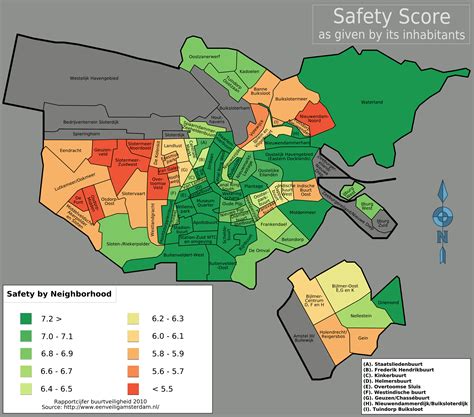
, we’re often visualizing a literal map with red zones or pins indicating crime hotspots. While official police forces do compile and analyze crime data for strategic purposes, a publicly accessible, real-time ‘crime map’ for tourists isn’t something you’ll typically find or need to rely on to assess your safety. The concept, however, is incredibly useful because it helps us frame our discussion around
where and what types of crime
might be more prevalent. Understanding this data, even conceptually, allows us to make smarter decisions about
Amsterdam safety
. Generally, crime data for major cities, including Amsterdam, points overwhelmingly to
petty theft and property crime
as the primary concern for both residents and visitors, especially in crowded tourist areas. We’re talking about things like
pickpocketing, bag snatching, and bicycle theft
, which are opportunistic by nature. Violent crime rates in Amsterdam remain remarkably low, and tourists are rarely targets of serious offenses. The official statistics provide insights into crime trends, showing that specific districts or highly frequented public spaces tend to report a higher volume of these non-violent incidents. This doesn’t make these areas ‘dangerous’ in the traditional sense, but rather ‘areas of heightened awareness’ where thieves might operate more freely due to the sheer number of people and potential targets. The utility of an
Amsterdam crime map
concept, therefore, lies in its ability to highlight these general zones and prompt proactive measures. It’s about recognizing that bustling spots like Dam Square, Centraal Station, the Red Light District, or popular nightlife hubs like Leidseplein and Rembrandtplein, while fantastic for experiencing the city’s energy, also require a bit more vigilance with your belongings. Think of it less as a warning label and more as a gentle reminder to always be mindful of your surroundings, keep your valuables secure, and trust your instincts. This informed approach to
crime in Amsterdam
allows you to enjoy the city’s lively atmosphere without becoming an easy target for the small percentage of individuals looking to take advantage of distracted travelers. It’s all about common sense and a little foresight, ensuring your memories of Amsterdam are nothing but positive.\n\n### Common Criminal Activities You Might Encounter\n\nLet’s get specific, guys. While violent crime is thankfully rare for visitors, there are a few
common criminal activities
in Amsterdam that you should be aware of. The biggest culprits you’ll hear about are
pickpocketing
and
bag snatching
. These tend to happen in very crowded areas – think busy markets, train stations, tram stops, or major tourist attractions like the Anne Frank House queue or the Dam Square. Thieves are often highly skilled and quick, working in teams to distract you while another member snatches your phone or wallet. Another huge one, given Amsterdam’s cycling culture, is
bike theft
. Seriously, if it’s not locked down tight (and sometimes even if it is!), it’s fair game. Other minor nuisances can include
scams
, like people trying to sell you things that aren’t quite legitimate or begging with elaborate stories. While less common, there can also be issues around nightlife venues with
drink spiking
or
overcharging
at less reputable establishments. These are largely opportunistic crimes, meaning if you reduce the opportunity, you significantly reduce the risk.\n\n### Identifying High-Risk Zones on an Imaginary Map\n\nIf we were to draw up an
imaginary Amsterdam crime map
highlighting areas where these common incidents are more likely, certain zones would definitely stand out. First and foremost, the area
around Amsterdam Centraal Station
and the
Damrak
(the main street leading from the station to Dam Square) is a classic hotspot. It’s the gateway for many tourists, incredibly crowded, and a prime hunting ground for pickpockets.
Dam Square
itself, with its constant flow of people and street performers, is another one. The
Red Light District (De Wallen)
, especially at night, attracts a lot of people, and while generally safe with a strong police presence, the dense crowds and party atmosphere can create opportunities for petty theft. Other popular nightlife areas like
Leidseplein
and
Rembrandtplein
, particularly in the evenings, can also see an uptick in these types of incidents. Even busy shopping streets or large markets like
Albert Cuyp Market
are places where you need to be extra vigilant. It’s not that these places are inherently dangerous, but their popularity and high foot traffic make them attractive to opportunistic thieves. Therefore, a good rule of thumb is:
the more crowded the area, the more aware you should be of your belongings and surroundings.
\n\n## Mastering Amsterdam Safety: Practical Strategies for a Worry-Free Visit\n\nAlright, now that we’ve got a handle on the ‘what’ and ‘where’ of
crime in Amsterdam
, let’s switch gears and focus on the ‘how’ – specifically, how to truly master
Amsterdam safety
with some practical, no-nonsense strategies. This is where you empower yourself to have an absolutely fantastic and
worry-free visit
, turning any potential concerns into mere footnotes. The key here is
situational awareness
and making smart choices that significantly reduce your vulnerability. First and foremost, when you’re out and about, especially in those bustling areas we just discussed,
always be conscious of your surroundings
. Avoid walking with your head buried in your phone or looking overly lost, as this can make you appear distracted and an easy target. When it comes to your valuables, adopt the ‘out of sight, out of mind’ mentality. Don’t flash large amounts of cash or expensive gadgets. Consider using a
money belt
worn under your clothes for your passport, extra cash, and credit cards. For daily essentials, a cross-body bag worn to the front, or a backpack with multiple zippers and clasps, is much safer than a loosely carried tote or an open-top bag. Some savvy travelers even use anti-theft bags with slash-proof straps and hidden compartments – a smart investment if you’re particularly concerned. When you’re sitting at a cafe or restaurant, never hang your bag on the back of your chair or place your phone on the table. Keep it in your lap or between your feet, ideally with a strap wrapped around your leg. Even a quick glance away can be enough for a professional thief to snatch it. If you’re carrying a wallet, keep it in your front pocket, not your back pocket, or better yet, in an internal jacket pocket. These simple adjustments to how you carry and store your belongings are incredibly effective in
preventing crime in Amsterdam
. It’s all about making yourself a less attractive target and staying one step ahead of anyone looking for an easy score. Remember, most of the incidents involving tourists are crimes of opportunity, so by eliminating those opportunities, you’re essentially putting up an invisible shield around your precious items and your peace of mind. These strategies aren’t just for Amsterdam; they’re great habits to cultivate whenever you travel to any popular city, ensuring that your focus remains on soaking in the culture, enjoying the sights, and making unforgettable memories rather than worrying about lost items.\n\n### Guarding Your Valuables from Petty Thieves\n\nTo truly guard your valuables, think proactive. Your passport, extra cash, and primary credit cards should ideally be in a
money belt
or a secure, hidden pocket that’s
not easily accessible
. For items you use frequently, like your phone or a small amount of daily cash, keep them in a zippered,
front pocket
or a secure cross-body bag. Avoid back pockets entirely. When taking photos, be mindful of your surroundings before pulling out an expensive camera. At cafés, never leave your phone, wallet, or bag unattended on a table or hanging on the back of a chair. Always keep them within your direct physical control. If you have a backpack, consider using small padlocks on zippers, especially in crowded areas or on public transport. These seemingly small actions drastically reduce the risk of
pickpocketing and bag snatching
and enhance your overall
Amsterdam safety
experience.\n\n### Navigating Amsterdam’s Streets and Canals Responsibly\n\nAmsterdam is a city best explored on foot or by bike, but it’s crucial to do so responsibly. When walking, especially at night, stick to well-lit, busy streets. Avoid deserted alleys or parks if you’re alone. If you’re cycling, remember that bike theft is rampant.
Always use at least two sturdy locks
, ideally a chain lock and a U-lock, and secure your bike to an immovable object. Never leave a bike unlocked, even for a minute! When using public transport like trams or buses, always keep an eye on your belongings. Crowded trams are hotspots for pickpockets. After a night out, consider using
licensed taxis
(identifiable by blue license plates) or ride-sharing apps, rather than unlicensed cabs. Don’t accept drinks from strangers, and always know your limits, particularly in the Red Light District or coffee shops, as being overly intoxicated makes you more vulnerable.\n\n### Recognizing and Avoiding Common Tourist Scams\n\nUnfortunately, a few common scams target tourists in Amsterdam. One is the
“petition scam”
, where individuals (often young women) approach you with clipboards asking for signatures for a fake charity or cause, then pickpocket you while you’re distracted. Just politely but firmly say no and keep walking. Another classic is the
“lost wallet” or “ring drop” scam
, where someone
