Feed vs. Story: Mastering Your Facebook Content Strategy Introduction Guys, navigating the wild world of social media, especially Facebook, can sometimes feel like trying to choose between two equally awesome but totally different super powers:
the Facebook Feed
and
Facebook Stories
. Seriously, whether you’re a business trying to boost your brand or just someone sharing everyday moments with friends, understanding the nuances of
Facebook Feed vs. Story
is absolutely crucial for your sharing strategy. We’re all trying to get our content seen, right? And with Facebook offering these two distinct avenues for sharing, knowing
when to share to Feed
and
when to share to Story
isn’t just a good idea, it’s a game-changer. This isn’t about one being inherently better than the other; it’s about understanding their unique strengths and weaknesses and deploying them strategically. Think of it like this: your Facebook Feed is your prime-time TV slot, where you broadcast your most important, polished, and lasting content. On the other hand, Facebook Stories are like your behind-the-scenes pass, your quick, unscripted, and super engaging moments that capture instant attention. Throughout this article, we’re going to dive deep into both, breaking down everything from their characteristics and audience reach to the best practices for each. We’ll explore the strategic reasons why you might choose to
share to Feed
for one type of content and then confidently
share to Story
for another. My goal here, folks, is to empower you with the knowledge to make informed decisions, ensuring your content always hits the mark and resonates with your audience. Get ready to optimize your Facebook presence and make every post count! We’re going to cover exactly how to leverage these two powerful tools to elevate your content strategy, providing value and engaging your audience like never before. Let’s get into it and decode the mystery of effective Facebook sharing! Understanding these differences will not only help you better engage your existing audience but also potentially expand your reach and attract new followers, making your Facebook presence more dynamic and impactful. We’re talking about maximizing every single piece of content you create, ensuring it lands exactly where it will do the most good. So, buckle up, because by the end of this, you’ll be a pro at deciding whether to hit that ‘share to Feed’ or ‘share to Story’ button with confidence and purpose. This comprehensive guide will equip you with all the insights you need to make your Facebook content truly stand out in a crowded digital landscape, making your efforts more efficient and your results more visible. Let’s start with the classic: the Facebook Feed. It’s where it all began, and it’s still a cornerstone of the platform. We’ll dissect its role and potential before moving on to the dynamic world of Stories. This journey will transform your approach to Facebook content forever. # Understanding Facebook Feeds The
Facebook Feed
, often referred to as the News Feed, is essentially the
main artery
of the Facebook experience. When you think about
sharing to Feed
, you’re talking about publishing content that lives on your profile or Page indefinitely (unless you delete it, of course!). This is where your friends and followers scroll through an endless stream of updates, photos, videos, and articles from the people and Pages they follow. It’s the traditional, long-form content hub that has defined Facebook for years. The primary characteristic of the
Facebook Feed
is its
permanence
. Once you
share to Feed
, that content becomes a part of your digital archive, accessible for days, weeks, months, or even years after its initial publication. This makes the Feed the perfect place for content that has a longer shelf life, or what we often call
evergreen content
. Think about important announcements, in-depth articles, high-quality photo albums, or meticulously produced videos that you want people to discover over time. The Feed supports a wide variety of content formats, from text-only posts to photo carousels, long-form videos, and external link shares, providing a versatile platform for diverse communication needs. Another key aspect is the
wider potential audience reach
. While Facebook’s algorithm plays a significant role in what actually shows up in someone’s Feed, posts shared here have the potential to reach a broad segment of your audience, especially if they generate good engagement. When people like, comment, or share your Feed post, it signals to Facebook that your content is valuable, which can then boost its visibility to an even wider audience. This organic reach can be incredibly powerful for building brand awareness and fostering a sense of community. The Feed also allows for much more
detailed storytelling and information sharing
. You can write lengthy captions, include multiple images, or embed links to external websites, providing your audience with comprehensive information without feeling rushed. This is where you educate, inform, and inspire with content that requires more than a fleeting glance. For businesses,
sharing to Feed
is ideal for promoting new products or services, sharing company news, publishing blog post excerpts, or running detailed campaigns that require a call to action and further information. It’s also fantastic for building authority and trust, as you can consistently share valuable, informative content that positions you as an expert in your niche. Moreover, Feed posts are easily
shareable
and
searchable
. Your audience can readily share your post to their own Feeds or send it directly to friends, extending your content’s reach exponentially. And because these posts are permanent, they can be discovered later through searches, making your content discoverable long after its initial publication. When you’re thinking about
Facebook Feed vs. Story
, remember that the Feed is your reliable, long-term content strategy partner. It’s where you build your legacy, foster deep engagement through thoughtful discussions in the comments, and ensure your most important messages have a lasting impact. For SEO, optimizing your Feed posts with relevant keywords in captions, using appropriate hashtags, and including calls to action that drive traffic to your website are all crucial. By making your Feed posts high-quality, relevant, and engaging, you ensure they contribute positively to your overall digital presence, serving as a powerful repository of your brand’s voice and valuable information. It’s where the deeper connections are forged, and where your audience can truly get to know what you’re all about, beyond just a quick, ephemeral glimpse. Think of the Feed as your digital portfolio, constantly showcasing your best work and most important updates to the world, ready to be discovered at any time. This persistence allows for complex narratives and detailed breakdowns, which are critical for educational content or comprehensive product launches. # Exploring Facebook Stories Now, let’s switch gears and talk about
Facebook Stories
– the dynamic, ephemeral counterpart to the classic Feed. When you choose to
share to Story
, you’re tapping into a fundamentally different way of communicating on the platform. Stories are designed for
immediate, in-the-moment sharing
and, unlike Feed posts, they
disappear after 24 hours
. This fleeting nature is precisely what makes them so engaging and addictive, creating a sense of urgency and intimacy that encourages viewers to tune in regularly. The primary characteristic of
Facebook Stories
is their
ephemeral nature
. This 24-hour lifespan means that content shared here is often more casual, spontaneous, and raw. It’s less about polished perfection and more about authentic, unscripted glimpses into your day-to-day life or behind-the-scenes moments of your brand. This encourages a different kind of interaction; viewers know they need to watch it now or miss out, which drives consistent engagement. Stories are typically displayed in a
vertical, full-screen format
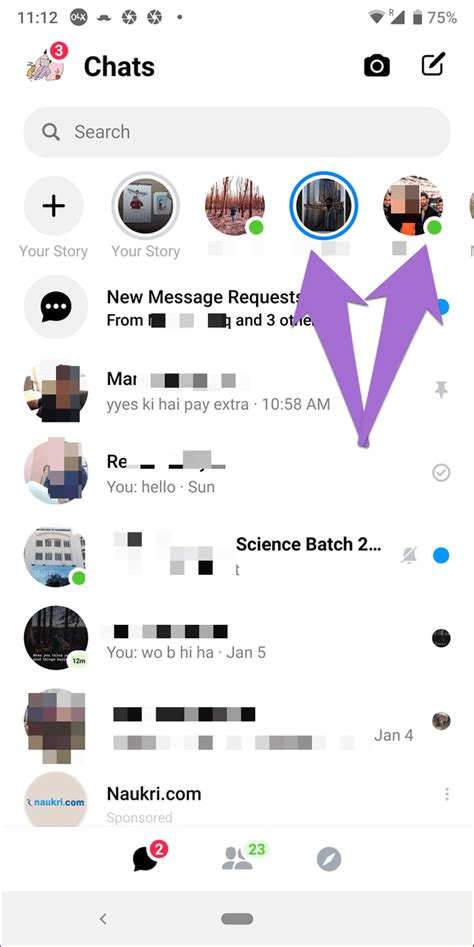
, dominating the user’s screen and providing an immersive viewing experience. They’re located prominently at the top of the Facebook app, making them highly visible and easily accessible. This prime placement ensures that your Stories are often the first thing people see when they open Facebook, offering a fantastic opportunity for immediate brand presence and direct engagement. A huge part of the appeal of
Facebook Stories
lies in their
interactive elements
. This is where the fun really begins, guys! You can add polls, quizzes, question stickers, countdowns, and even music to your Stories, transforming passive viewing into active participation. These interactive features are brilliant for fostering direct engagement, gathering instant feedback from your audience, and making your content feel more collaborative. For example, a business can use a poll to ask customers which new product they prefer, or a creator can use a question sticker to host a Q&A session with their followers. When considering
Facebook Feed vs. Story
, Stories excel at showcasing
personality and authenticity
. Because they’re less permanent, there’s less pressure to create highly polished, long-form content. This allows individuals and brands to be more candid, sharing bloopers, candid moments, or quick updates that might not fit the more curated aesthetic of a Feed post. This humanizes your presence and builds a stronger, more personal connection with your audience. For businesses,
sharing to Story
is excellent for behind-the-scenes content, flash sales, urgent announcements, showcasing product demonstrations, or running quick contests. It’s also a powerful tool for driving traffic to a specific link (if you have the
